


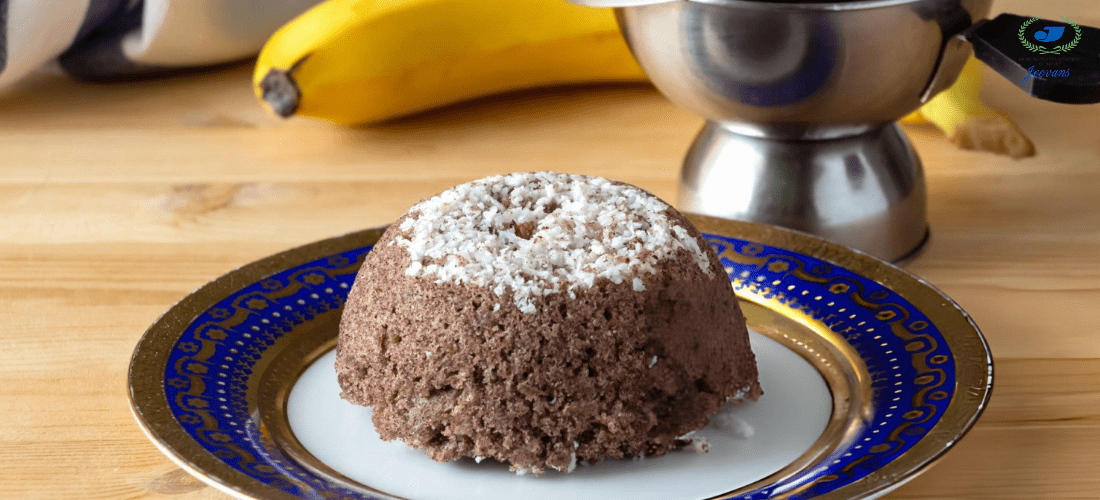

As more people search for healthier alternatives to refined staples like white rice, ragi rice has re-emerged as a nutritious, traditional option with genuine modern relevance. Understanding its benefits explains why this decorticated grain is finding its way back onto Indian dinner tables.
What Is Ragi Rice?
Ragi rice, also known as decorticated ragi cereal rice, is finger millet processed into a rice-like form. This makes it an easy, familiar substitute for regular rice in everyday cooking, while offering a substantially different, and arguably superior, nutritional profile.
Key Nutritional Benefits
Low Glycemic Index: Unlike white rice, which can cause rapid blood sugar spikes, ragi rice has a lower glycemic index, making it a more suitable option for individuals managing diabetes or those simply looking to maintain steadier energy levels throughout the day.
High Calcium Content: Ragi is renowned for its calcium content, among the highest of any grain, supporting bone health in a way that white rice simply cannot match.
Rich in Dietary Fibre: The fibre content in ragi rice supports digestive health, helping regulate bowel movements and contributing to a feeling of fullness after meals.
Naturally Gluten-Free: For individuals with gluten sensitivities, ragi rice offers a safe, nutritious alternative that doesn’t compromise on taste or texture in traditional recipes.
Supports Weight Management
Because of its fibre content and low glycemic index, ragi rice can help promote satiety, potentially reducing overall calorie intake when used as a substitute for regular rice in meals. This makes it a practical choice for those pursuing sustainable weight management goals.
A Heart-Healthy Choice
Some nutritional research suggests that whole grains like ragi may contribute to better cardiovascular health outcomes compared to refined grains, thanks to their fibre content and lower impact on blood sugar and cholesterol levels.
How to Cook and Use Ragi Rice
Ragi rice can be used much like regular rice in cooking, though it typically requires a slightly different water ratio and cooking time. It works well in:
- Simple steamed preparations, served alongside dal or curry.
- Khichdi-style one-pot meals combined with lentils and vegetables.
- Pulao-style dishes with added spices and vegetables.
Who Should Consider Ragi Rice
- Individuals managing diabetes who need lower glycemic index carbohydrate options.
- Those focused on bone health, including growing children and older adults.
- People with gluten sensitivities seeking a safe rice alternative.
- Anyone pursuing weight management through more fibre-rich, filling meal options.
Why Sourcing Quality Matters
The nutritional benefits of ragi rice depend on proper processing. Jeevans House’s decorticated ragi cereal rice is naturally processed to preserve nutrient integrity while ensuring a texture and cooking experience comparable to regular rice, making the transition easier for households accustomed to traditional rice dishes.
Final Thoughts
Ragi rice represents a genuine nutritional upgrade for anyone looking to reduce their reliance on refined white rice. With benefits spanning blood sugar management, bone health, digestion, and weight control, it’s easy to see why this traditional grain is making such a strong comeback in modern Indian kitchens.