


Millets have been an important part of traditional Indian diets for centuries. From breakfast preparations to everyday meals, these small-seeded grains offer a variety of ways to enjoy wholesome, grain-based nutrition.
Among them, little millet is gaining renewed attention among people exploring traditional grains and alternatives to their usual rice-based meals.
Understanding the little millet benefits can help you make informed decisions about including this grain in your everyday diet.
Little millet is valued for its dietary fibre, plant-based nutrients, and versatility. It can be used in several familiar Indian dishes, making it a practical option for people looking to add variety to their meals.
Let’s explore its nutritional qualities, potential dietary benefits, cooking methods, and everyday uses.
What Is Little Millet?
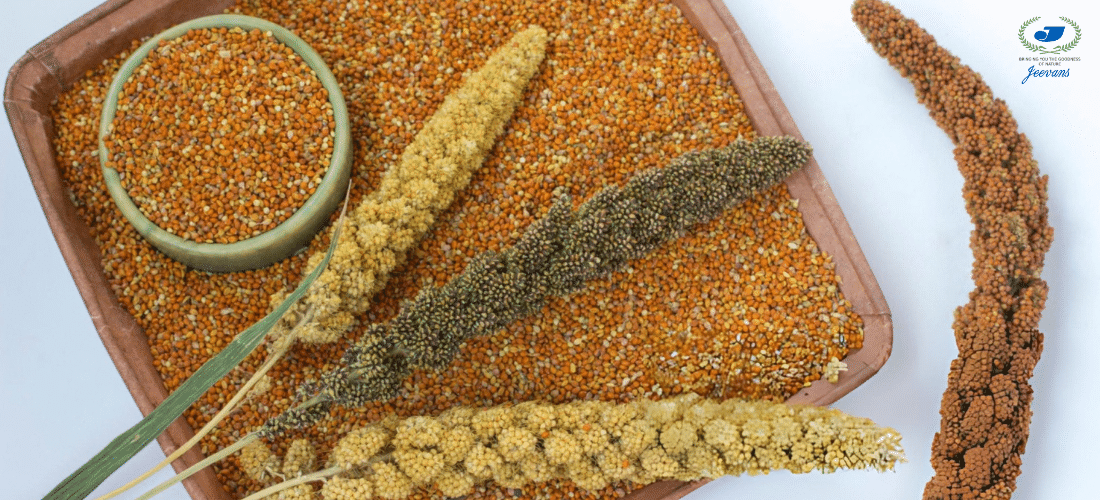
Little millet, scientifically known as Panicum sumatrense, is a small-grained millet cultivated in India and other parts of Asia.
It is traditionally consumed in several forms, including cooked grains, porridge, and flour-based preparations.
Its mild flavour makes it suitable for replacing or alternating with rice in many recipes.
Little millet is available in a range of traditional food markets and millet-based product collections, including Jeevans House.
Top Little Millet Benefits
1. Supports Digestive Health
Little millet contains dietary fibre, which plays an important role in normal digestive function.
Fibre contributes to bowel regularity and helps support a balanced diet.
Including fibre-containing grains, vegetables, fruits, and legumes can help improve overall dietary fibre intake.
For individuals increasing millet consumption, gradual introduction and adequate fluid intake may help improve digestive comfort.
2. Helps Create Satisfying Meals
Foods containing dietary fibre can contribute to satiety.
Little millet can be combined with vegetables and protein-rich ingredients to create meals that feel satisfying.
For example, little millet vegetable khichdi with dal offers a combination of grains, legumes, and vegetables.
This can be useful for individuals who want to build structured meal routines.
3. Provides Plant-Based Nutrients
Little millet contributes carbohydrates, plant-based protein, and minerals to the diet.
Its nutritional composition makes it a useful grain for dietary variety.
A balanced diet should include different grains, pulses, vegetables, fruits, and appropriate protein sources rather than depending on a single ingredient.
4. A Naturally Gluten-Free Grain
Little millet is naturally gluten-free.
This makes it a possible grain option for people following a gluten-free diet.
However, individuals with coeliac disease should check product labels and manufacturing practices to ensure there is no cross-contact with gluten-containing grains.
5. Offers an Alternative to Everyday Rice
Many Indian meals are traditionally centred around rice.
Little millet provides an opportunity to introduce another grain without changing familiar cooking methods significantly.
It can be prepared as:
- Little millet rice
- Vegetable pulao
- Lemon millet
- Curd millet
- Millet khichdi
- Breakfast porridge
This flexibility makes it easier for households to explore traditional grains.
6. Contributes to a Varied Heart-Healthy Eating Pattern
Whole grains and fibre-containing foods can form part of a dietary pattern that supports cardiovascular health.
Little millet can contribute to such a pattern when prepared with appropriate amounts of oil, salt, vegetables, and other nutritious ingredients.
However, no single millet should be considered a treatment for cholesterol or heart disease.
Little Millet vs White Rice
Little millet and white rice differ in their nutritional composition, processing, and culinary characteristics.
| Feature | Little Millet | White Rice |
|---|---|---|
| Grain type | Traditional millet | Cereal grain |
| Dietary fibre | Generally higher in whole-grain form | Lower in polished form |
| Gluten | Naturally gluten-free | Naturally gluten-free |
| Cooking use | Rice-style meals, porridge, pulao | Everyday rice dishes |
| Nutritional profile | Provides fibre and minerals | Primarily a carbohydrate source |
The nutritional difference depends on processing, variety, and preparation.
Both can fit into a balanced diet, and the choice should consider individual needs and preferences.
How to Cook Little Millet
Little millet can be cooked using a method similar to rice.
Ingredients
- 1 cup Jeevans House Little Millet
- 2–2½ cups water, adjusted to the product and preferred texture
- Salt, optional
Method
- Rinse the millet thoroughly.
- Soak for approximately 15–20 minutes if desired.
- Drain the water.
- Add millet and fresh water to a saucepan.
- Cook over a medium flame until the grains become tender.
- Allow it to rest briefly before fluffing with a fork.
- Serve with vegetables, dal, or curry.
Cooking time and water quantity can vary, so follow the package directions where available.
Three Easy Little Millet Recipes
Little Millet Vegetable Pulao
Cook little millet and combine it with carrots, beans, peas, onions, and mild spices.
Add a protein source such as paneer, tofu, or legumes for a more balanced meal.
Little Millet Khichdi
Combine little millet with moong dal, vegetables, turmeric, and water.
Pressure cook until soft and serve warm.
This is a convenient meal for lunch or dinner.
Little Millet Breakfast Porridge
Cook little millet until soft and combine it with milk or a suitable alternative.
Add fruit, nuts, or a small amount of cardamom for flavour.
Who Can Include Little Millet in Their Diet?
Little millet can be enjoyed by adults and children as part of a varied diet, provided it is prepared in an age-appropriate form.
People with specific medical or nutritional needs should seek individual advice before making significant dietary changes.
For people managing blood sugar, portion size and the overall carbohydrate content of the meal remain important. Millet is not automatically suitable in unlimited quantities simply because it is a traditional grain.
Why Choose Jeevans House Little Millet?
Jeevans House offers Little Millet as part of its collection of traditional grains.
With more than five decades of experience in millet-based food manufacturing, the brand focuses on making traditional ingredients accessible to modern households.
Whether you want to prepare millet pulao, khichdi, or a simple rice-style meal, little millet can bring variety to your everyday cooking.
Conclusion
The little millet benefits make it a useful grain to consider when planning a varied and balanced diet.
Its dietary fibre, plant-based nutrients, gluten-free nature, and versatility allow it to fit into many traditional Indian preparations.
Rather than treating little millet as a temporary food trend, consider making it one of several grains in your weekly meal rotation.
Explore Jeevans House Little Millet and rediscover the goodness of traditional grains in everyday cooking.