


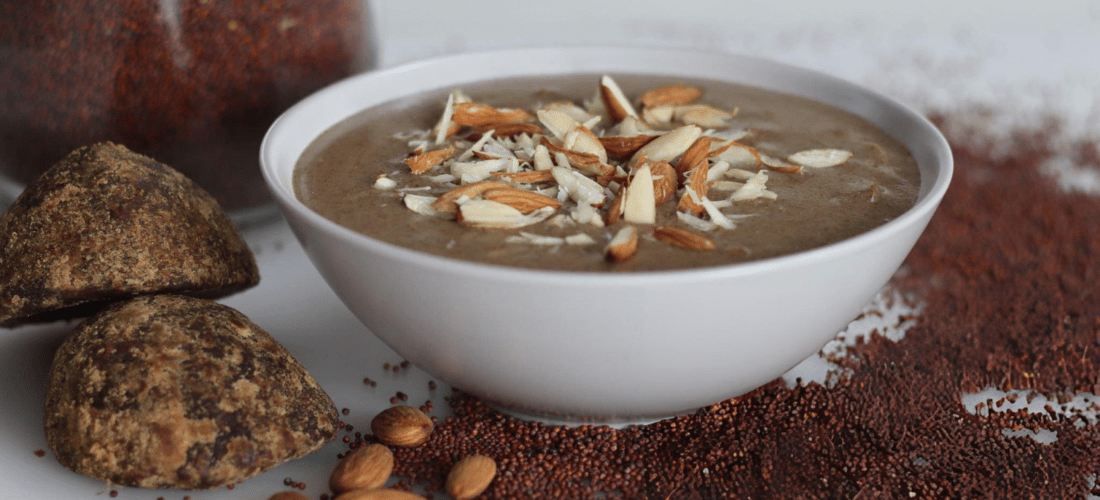

Switching from regular rice to ragi rice can feel intimidating if you’ve never cooked with it before. The good news is that decorticated ragi rice cooks similarly to regular rice, with just a few adjustments to get the texture right. This guide walks you through the process step by step.
What You’ll Need
- 1 cup decorticated ragi cereal rice
- 2 to 2.5 cups water (adjust based on desired consistency)
- A pinch of salt (optional)
- A pot with a tight-fitting lid, or a pressure cooker
Step 1: Rinse the Ragi Rice
Just as with regular rice, start by rinsing the ragi rice under cold water two to three times. This removes any surface dust or impurities and helps improve the final texture.
Step 2: Soak (Optional but Recommended)
Soaking ragi rice for 15-20 minutes before cooking can help it cook more evenly and reduce overall cooking time. While not strictly necessary, this step is especially helpful for beginners looking for consistent results.
Step 3: Choose Your Cooking Method
Stovetop Method: Combine the rinsed ragi rice with water in a pot at a ratio of roughly 1:2.5. Bring to a boil, then reduce heat to low, cover, and let it simmer for 20-25 minutes, or until the water is fully absorbed and the rice is tender.
Pressure Cooker Method: Add the rinsed ragi rice and water to the pressure cooker at the same ratio. Cook for 3-4 whistles on medium heat, then allow the pressure to release naturally before opening.
Step 4: Check for Doneness
Ragi rice should be soft and tender when fully cooked, similar in texture to well-cooked regular rice, though slightly denser. If it still feels firm, add a small amount of additional water and continue cooking for a few more minutes.
Step 5: Fluff and Serve
Once cooked, let the ragi rice rest for a few minutes with the lid on, then fluff gently with a fork before serving.
Simple Serving Ideas
- With dal and vegetables: Serve as a direct substitute for regular rice alongside your favorite dal and sabzi.
- As khichdi: Cook ragi rice together with moong dal, turmeric, and light spices for a comforting, one-pot meal.
- Pulao style: Sauté onions, whole spices, and vegetables, then combine with pre-cooked ragi rice for a flavorful main dish.
Common Mistakes to Avoid
- Using too little water: Ragi rice tends to absorb slightly more water than white rice; err on the side of a bit extra.
- Skipping the rinse: This step helps achieve a cleaner texture and removes any residual processing dust.
- Overcooking: While ragi rice benefits from thorough cooking, excessive cooking time can make it mushy, keep an eye on texture as it nears completion.
Final Thoughts
Cooking ragi rice is a straightforward process once you understand the basic water ratio and timing adjustments compared to regular rice. With this simple method, you can confidently incorporate this nutritious, traditional grain into your weekly meal rotation, no advanced cooking skills required.