


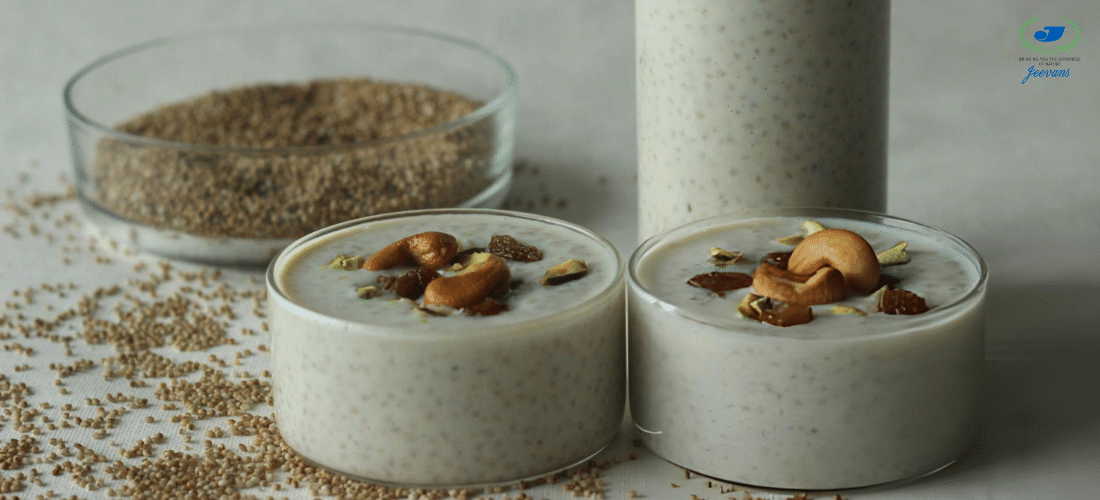

Traditional Indian grains are finding their way back into modern kitchens as more households explore diverse food choices and balanced eating habits.
Among these grains, kodo millet has attracted attention for its nutritional composition and versatility.
Known by different regional names across India, kodo millet has traditionally been used in everyday meals, porridge, and other grain-based preparations.
Understanding the kodo millet benefits can help you explore how this traditional grain fits into a balanced diet.
Kodo millet provides dietary fibre, plant-based nutrients, and a naturally gluten-free grain option. It can also be prepared in several familiar Indian recipes, making it easier to incorporate into everyday cooking.
Let’s explore its nutritional characteristics, potential benefits, preparation methods, and meal ideas.
What Is Kodo Millet?
Kodo millet, scientifically known as Paspalum scrobiculatum, is a small-seeded cereal crop cultivated in India and other tropical regions.
It is one of the traditional millets consumed in different parts of the country.
Kodo millet has a mild, earthy flavour and can be cooked in a manner similar to rice.
It is commonly used in:
- Millet rice
- Vegetable pulao
- Khichdi
- Porridge
- Upma
- Traditional grain-based meals
Jeevans House offers Kodo Millet as part of its traditional millet product range.
Top Kodo Millet Benefits
1. A Source of Dietary Fibre
Kodo millet contains dietary fibre, which supports normal digestive function.
Fibre contributes to bowel regularity and can help meals feel more satisfying.
Including fibre-rich grains alongside vegetables, legumes, and fruits is a practical way to improve dietary diversity.
2. Supports a Balanced Eating Pattern
Kodo millet provides carbohydrates and other plant-based nutrients that contribute to daily energy requirements.
When combined with pulses, vegetables, and protein-rich foods, it can form part of a balanced meal.
Its versatility allows people to include it in lunch or dinner without making significant changes to traditional food habits.
3. Provides Minerals and Plant-Based Nutrients
Kodo millet contains minerals and plant-based compounds that contribute to its nutritional value.
The exact nutrient content depends on grain variety, processing, and preparation.
Including different grains in the diet can help diversify nutrient intake.
4. Naturally Gluten-Free
Kodo millet is naturally gluten-free, making it a potential grain option for people avoiding gluten.
People with coeliac disease should select products with suitable allergen and cross-contact controls.
5. A Useful Grain for Meal Variety
Eating the same grain every day can limit dietary variety.
Kodo millet provides another option for households that typically depend on rice or wheat.
You can alternate kodo millet with rice, little millet, ragi, and other whole grains throughout the week.
6. Can Be Included in Weight-Management Meal Plans
Kodo millet contains fibre, which contributes to satiety.
When eaten in appropriate portions with vegetables and protein, it can fit into a structured weight-management meal plan.
However, weight management depends on total energy intake, physical activity, sleep, and other lifestyle factors.
Kodo millet itself does not guarantee weight loss.
Kodo Millet vs Other Millets
Each millet has a distinct nutritional profile and culinary use.
| Millet | Common Nutritional Characteristic | Popular Uses |
|---|---|---|
| Kodo millet | Fibre and plant-based nutrients | Pulao, khichdi, millet rice |
| Little millet | Fibre and minerals | Rice alternatives, porridge |
| Ragi | Notable calcium content | Porridge, dosa, roti |
| Foxtail millet | Fibre and plant-based nutrients | Upma, pulao, khichdi |
Rather than searching for one universally superior millet, consider including a variety of grains in your weekly diet.
How to Cook Kodo Millet
Kodo millet can be prepared using simple cooking techniques.
Ingredients
- 1 cup Jeevans House Kodo Millet
- 2–2½ cups water, adjusted as needed
- A pinch of salt, optional
Preparation Method
Step 1: Wash the millet
Rinse the millet thoroughly under clean running water.
Step 2: Soak if required
Soaking for approximately 20–30 minutes can help reduce cooking time.
Step 3: Add water
Place the millet in a saucepan with fresh water.
Step 4: Cook until tender
Cover and cook over a low to medium flame until the grains become soft.
Step 5: Rest and fluff
Allow the cooked millet to rest briefly before fluffing gently.
Step 6: Serve
Pair with dal, vegetables, curry, or your preferred accompaniment.
Cooking time and water ratios may vary according to the product and preparation method.
Three Easy Kodo Millet Recipes
1. Kodo Millet Vegetable Pulao
Ingredients:
- Cooked kodo millet
- Carrots
- Beans
- Peas
- Onion
- Ginger
- Mild spices
Sauté the vegetables and spices, add cooked millet, and mix gently.
Serve with curd or a protein-rich side dish.
2. Kodo Millet Khichdi
Combine washed kodo millet with moong dal, turmeric, vegetables, and water.
Cook until soft and season according to taste.
This is a simple way to combine grains, legumes, and vegetables in one meal.
3. Kodo Millet Upma
Prepare a light tempering using mustard seeds, curry leaves, ginger, and vegetables.
Add cooked kodo millet and mix well.
Garnish with coriander and lemon juice.
Is Kodo Millet Suitable for People with Diabetes?
Kodo millet is sometimes discussed as part of dietary approaches for blood sugar management.
However, the effect of any food on blood glucose depends on several factors, including portion size, processing, cooking method, and the composition of the overall meal.
People with diabetes should monitor their individual response and follow their healthcare professional’s dietary recommendations.
Millets should not be considered substitutes for prescribed medication or medical treatment.
How Often Can You Eat Kodo Millet?
Kodo millet can be included regularly as part of a varied diet.
A practical approach is to rotate it with other grains rather than relying on it exclusively.
For example:
- Monday: Rice
- Tuesday: Little millet
- Wednesday: Kodo millet
- Thursday: Ragi-based meal
- Friday: Wheat or another preferred grain
Pairing grains with vegetables, legumes, and protein sources can improve meal balance.
Why Choose Jeevans House Kodo Millet?
Jeevans House has been associated with millet-based food manufacturing for more than 50 years.
Its product collection includes traditional grains such as kodo millet, little millet, and foxtail millet, allowing households to explore different millet-based preparations.
Whether you are preparing a simple lunch or experimenting with new recipes, Jeevans House helps bring traditional grains into contemporary kitchens.
Conclusion
The kodo millet benefits make it an interesting addition to a diverse and balanced diet.
Its fibre content, plant-based nutrients, gluten-free nature, and cooking versatility make it suitable for a variety of Indian dishes.
From vegetable pulao to khichdi, kodo millet can help introduce more traditional grains into your weekly meal routine.
Discover Jeevans House Kodo Millet and enjoy the goodness of traditional grains in simple, delicious everyday meals.