


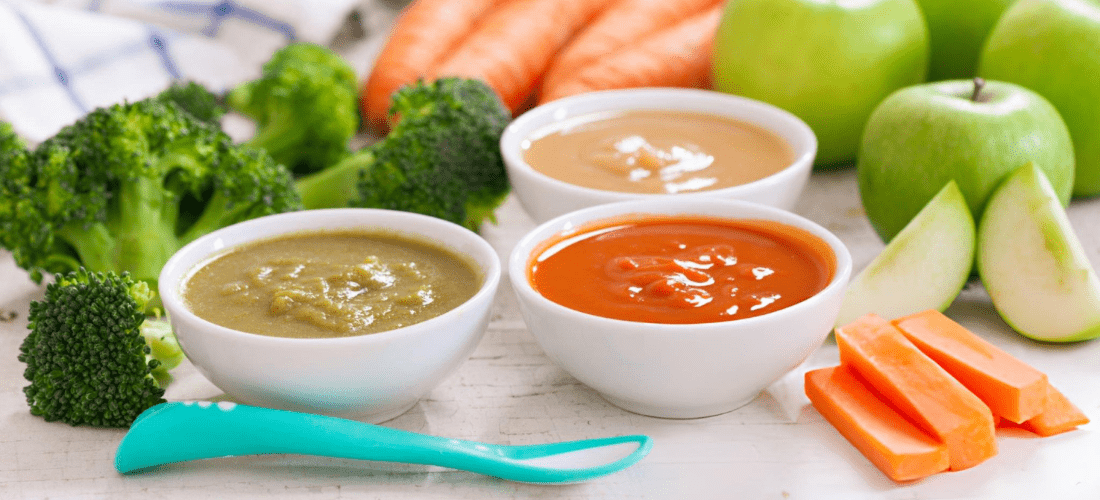

Weaning marks one of the most significant transitions in an infant’s early life, moving from an exclusively milk-based diet to solid foods. For Indian parents, this journey is deeply influenced by tradition, nutrition science, and practical considerations. Here’s a complete guide to navigating baby weaning food in India.
When to Start Weaning
Most pediatric guidelines recommend introducing solid foods around six months of age, alongside continued breastfeeding or formula. Signs that your baby may be ready include being able to sit up with support, showing interest in food, and losing the tongue-thrust reflex that typically pushes solids out of the mouth.
Traditional vs. Modern Weaning Foods
Indian weaning traditions have long relied on simple, home-prepared foods like mashed rice, dal water, and ragi porridge. These foods share common traits: they’re easy to digest, minimally processed, and gentle on a developing digestive system. Modern weaning foods aim to preserve these qualities while adding convenience and consistency, something products like Ragitone achieve by using naturally processed ragi.
Why Ragi Is a Preferred First Food
Among traditional weaning foods, ragi stands out for several reasons:
- It is naturally gluten-free, reducing the risk of digestive discomfort.
- It offers one of the highest calcium contents among grains, supporting bone development.
- Its fibre content aids digestion during a period when infants are adjusting to new foods.
- It has a mild flavor that most babies accept easily.
Building a Weaning Timeline
- 6 months: Begin with single-grain cereals like ragi porridge, introduced in small quantities.
- 7-8 months: Gradually introduce mashed fruits and vegetables alongside cereal feeds.
- 9-10 months: Increase texture variety as your baby develops chewing skills.
- 11-12 months: Transition toward more family-style foods, adjusted for texture and seasoning.
Common Weaning Challenges and Solutions
- Constipation: Fibre-rich foods like ragi can help ease this common issue.
- Refusal of new foods: Persistence is key; it can take multiple attempts before a baby accepts a new taste.
- Allergic reactions: Introduce one new food at a time and monitor for at least 2-3 days before adding another.
Choosing Quality Weaning Products
When selecting packaged weaning foods, prioritize brands with transparent ingredient lists, no added sugar, and established manufacturing standards. Jeevans House’s decades-long presence in millet-based food production, combined with HACCP-certified processes, makes Ragitone a reliable choice for parents seeking both tradition and safety.
The Role of Consistency
Successful weaning isn’t just about what you feed your baby, but how consistently you introduce new foods and textures. Sticking to a routine helps infants adjust more smoothly to the transition from milk to solids.
Final Thoughts
Weaning is a gradual, individualized journey for every baby. By grounding this process in traditional, nutrient-dense foods like ragi while embracing modern conveniences for consistency and safety, Indian parents can navigate this stage with confidence, giving their child the best possible nutritional foundation.