



Women’s nutritional needs change throughout different stages of life, from adolescence and pregnancy to motherhood and menopause. Maintaining a balanced and nutrient-rich diet is essential for supporting energy, hormonal health, immunity, and overall well-being. Among the many healthy food choices available today, millets have emerged as one of the best superfoods for women due to their exceptional nutritional value and multiple health benefits.
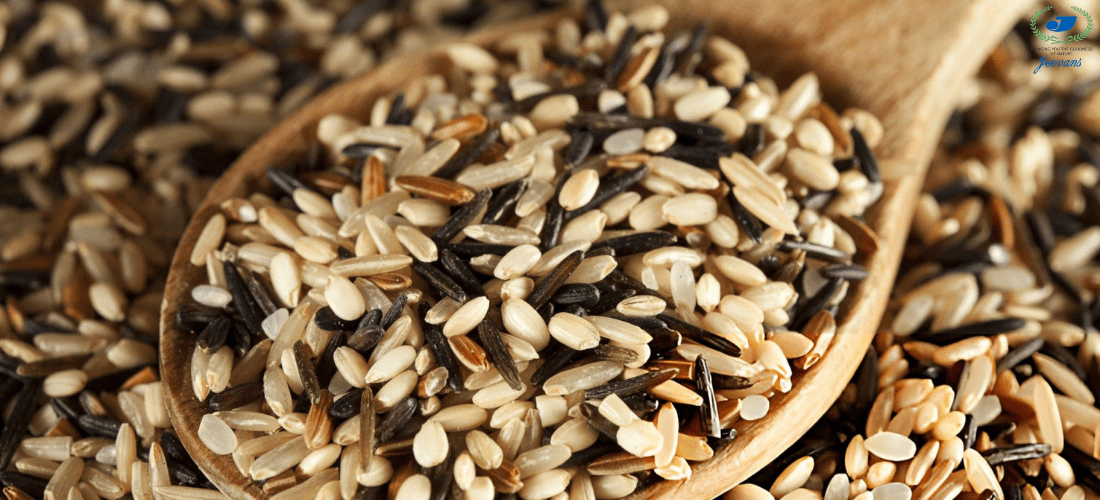
Millets are ancient grains that have been consumed for centuries in traditional diets. Popular varieties include ragi, bajra, jowar, foxtail millet, and little millet. These grains are naturally rich in fiber, protein, iron, calcium, and antioxidants, making them highly beneficial for women of all age groups.
One of the biggest advantages of millets for women is their ability to support healthy weight management. Many women struggle with maintaining a healthy weight due to hormonal fluctuations, stress, or busy lifestyles. Millets are high in dietary fiber, which helps promote fullness and reduces unnecessary cravings. Since they digest slowly, they keep energy levels stable and prevent overeating. Replacing refined grains with millets can help women maintain a healthier and more balanced diet.
Millets are also highly beneficial for women’s hormonal health. Hormonal imbalance can lead to fatigue, mood swings, irregular cycles, and other health concerns. Millets contain important nutrients such as magnesium, phosphorus, and B vitamins that support hormone regulation and overall body function. Their low glycemic index also helps maintain balanced blood sugar levels, which is especially beneficial for women with PCOS or insulin resistance.
Iron deficiency is another common issue among women, particularly during menstruation and pregnancy. Certain millets, such as bajra and ragi, are naturally rich in iron and can help support healthy hemoglobin levels. Regular consumption of millets may help reduce tiredness and improve overall energy.
Bone health is equally important for women, especially as they age. Calcium deficiency increases the risk of weak bones and osteoporosis. Ragi is known as one of the richest natural plant-based sources of calcium. Including ragi and other millets in the daily diet can help strengthen bones, improve joint health, and support long-term mobility.
Another major benefit of millets is improved digestion. Their high fiber content supports gut health, regulates bowel movements, and helps prevent constipation. A healthy digestive system also contributes to better nutrient absorption and stronger immunity.
Millets are also gluten-free, making them a suitable option for women with gluten intolerance or sensitivity. They are easy to incorporate into meals and can be prepared in various forms such as porridge, rotis, dosa, salads, khichdi, and snacks.
In today’s fast-paced lifestyle, choosing nutritious foods is more important than ever. Millets provide a natural and wholesome solution for women looking to improve their health through better eating habits. Their combination of essential nutrients, fiber, and antioxidants makes them a valuable addition to any balanced diet.
In conclusion, millets are more than just traditional grains. They are a complete nutritional powerhouse that supports women’s health in multiple ways, including weight management, hormonal balance, bone strength, digestion, and energy levels. Including millets in daily meals can help women lead healthier, stronger, and more active lives.