


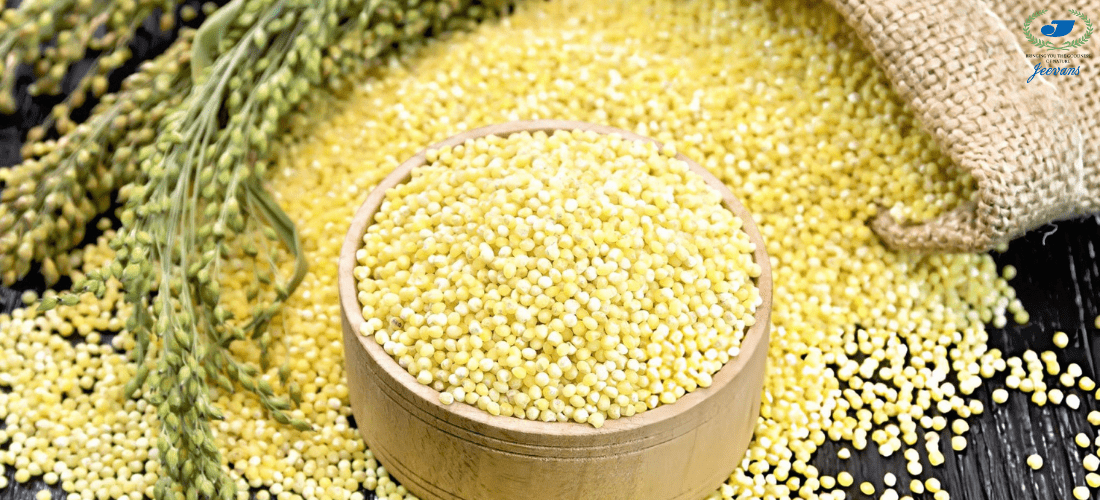

For centuries, millets have been deeply rooted in India’s agricultural and culinary traditions. Long before polished rice and refined wheat became staples, millets were the backbone of Indian nutrition. From the dry lands of Rajasthan to the southern plains of Karnataka and Tamil Nadu, these humble grains nourished generations with resilience and strength. Today, as modern lifestyles demand healthier and more sustainable food choices, millets are reclaiming their rightful place on Indian plates.
A Rich Historical Foundation
Millets are among the oldest cultivated grains in India, dating back thousands of years. Ancient Indian communities relied on varieties such as ragi (finger millet), jowar (sorghum), bajra (pearl millet), and foxtail millet as primary sources of energy and nourishment. These grains were valued not just for their adaptability to diverse climates, but also for their ability to grow in harsh, drought-prone regions with minimal water.
Traditional Indian diets incorporated millets in various forms — rotis, porridges, dosas, and fermented foods. Their versatility made them suitable for every region and season. Over time, however, dietary patterns shifted toward refined grains, sidelining millets from mainstream consumption.
Nutritional Powerhouse for Modern Lifestyles
What makes millets a smart choice today lies in their impressive nutritional profile. Millets are rich in dietary fiber, essential minerals, and plant-based protein. They are naturally gluten-free, making them suitable for individuals with gluten sensitivity or celiac disease.
Ragi, for example, is known for its high calcium content, supporting bone health. Bajra is packed with iron, which can help combat anemia. Jowar contains antioxidants and fiber that support heart health and digestion. Millets also have a lower glycemic index compared to refined grains, meaning they release glucose more slowly into the bloodstream. This makes them particularly beneficial for managing blood sugar levels and supporting individuals with diabetes or those aiming for weight management.
In a time where lifestyle disorders such as obesity, diabetes, and cardiovascular diseases are on the rise, incorporating millets into daily meals can contribute to a more balanced and preventive approach to health.
Sustainable and Climate-Resilient
Beyond personal health, millets offer significant environmental advantages. They require less water, fewer chemical inputs, and can thrive in poor soil conditions. In an era marked by climate change and resource scarcity, millets represent a sustainable agricultural solution.
By supporting millet cultivation and consumption, India can strengthen food security while empowering small and marginal farmers. This makes millets not just a health choice, but also an economic and ecological one.
A Contemporary Revival
Today, millets are being reimagined in modern kitchens — from breakfast cereals and multigrain flours to snacks and health mixes. Their adaptability allows them to blend seamlessly into contemporary diets without compromising taste or convenience.
The revival of millets is more than a trend; it is a return to wisdom. By reconnecting with traditional grains that once defined Indian nutrition, we are making a conscious shift toward healthier living and sustainable eating.
Millets are not new. They are time-tested. And in today’s world, they stand out as a smart, future-ready choice for both individuals and the planet.