



As modern consumers become more conscious of what they eat, traditional food practices are gaining renewed attention. One such practice is sprouting—an age-old technique that significantly enhances the nutritional value of grains. When applied to millets, sprouting transforms these already nutrient-rich grains into a powerhouse of easily absorbable nutrition.
What Are Sprouted Millets?
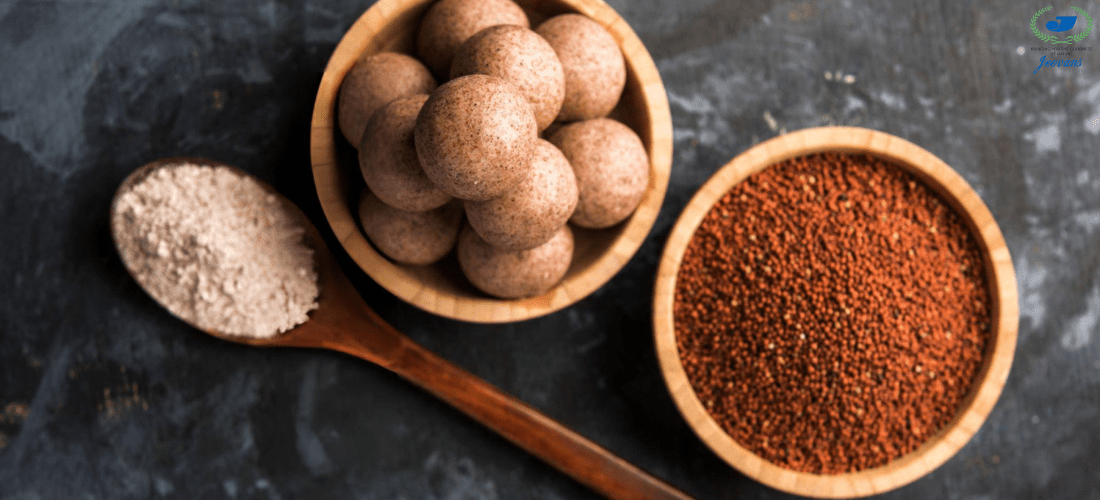
Sprouted millets are whole millets that have been soaked, allowed to germinate, and then dried before consumption or processing. Common millets such as ragi, bajra, and jowar undergo this natural process, which activates enzymes within the grain and initiates biochemical changes that improve their nutritional profile.
This simple yet powerful method has been used in Indian households for generations, especially in preparing baby food and health mixes.
The Science Behind Sprouting
Sprouting triggers the breakdown of complex compounds present in millets. During this process, enzymes convert stored starches into simpler sugars and proteins into amino acids, making them easier for the body to digest and absorb.
More importantly, sprouting reduces anti-nutrients like phytic acid. Phytic acid binds to essential minerals such as iron, calcium, and zinc, limiting their absorption in the body. By lowering these anti-nutrients, sprouted millets make these minerals more bioavailable.
Enhanced Nutrient Absorption
One of the most significant benefits of sprouted millets is improved nutrient absorption. When millets are sprouted:
- Iron absorption increases, supporting better hemoglobin levels
- Calcium becomes more bioavailable, aiding bone health
- Protein quality improves, making it more usable by the body
- Vitamin content, especially B vitamins and vitamin C, increases
This makes sprouted millet-based foods particularly beneficial for children, pregnant women, and individuals with nutritional deficiencies.
Easier Digestion and Better Gut Health
Sprouted millets are lighter on the digestive system compared to their unsprouted counterparts. The breakdown of complex compounds during sprouting reduces digestive strain and minimizes issues like bloating or discomfort.
Their improved digestibility also supports better gut health, allowing the body to utilize nutrients more efficiently—an essential factor for overall wellness.
Ideal for Modern Lifestyles
In fast-paced urban lifestyles, where digestive issues and nutrient deficiencies are increasingly common, sprouted millets offer a practical solution. They can be consumed in various forms such as sprouted millet powder, porridges, dosas, and baked goods.
For families, especially those with young children or elderly members, incorporating sprouted millet products ensures better nutrition without compromising on taste or convenience.
A Smart Upgrade to Everyday Nutrition
Sprouted millets combine the benefits of traditional wisdom with modern nutritional needs. They not only enhance nutrient absorption but also support sustained energy, improved metabolism, and overall health.
Conclusion
Sprouting is not just a process—it is a nutritional upgrade. By reducing anti-nutrients and enhancing bioavailability, sprouted millets offer superior health benefits compared to regular grains. As more families shift toward mindful eating, incorporating sprouted millets into daily diets is a smart and impactful choice.
For those looking to maximize the benefits of millets, going the sprouted way is undoubtedly the best step forward.