


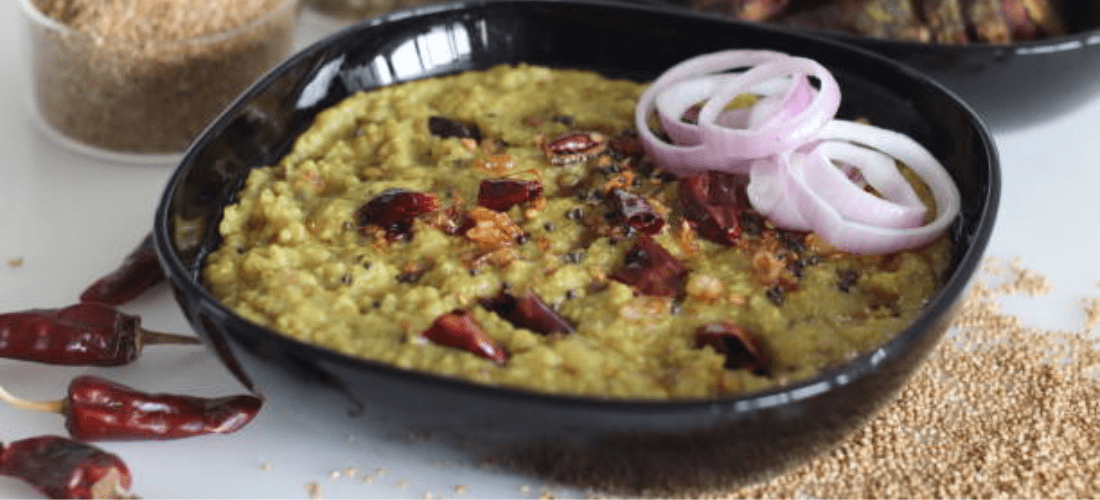

Millets are no longer just traditional grains of the past—they are fast becoming an essential part of modern, health-focused diets. Rich in fiber, plant-based protein, vitamins, and minerals, millets offer a wholesome alternative to refined grains that dominate everyday meals. However, many people hesitate to include millets regularly because they are unsure how to cook or consume them.
The good news is that incorporating millets into your daily diet is simple, practical, and does not require drastic changes to your existing food habits. With small, consistent swaps, millets can seamlessly become part of every meal of the day.
Start Your Day with Millet-Based Breakfasts
Breakfast is the easiest place to introduce millets. Millet-based breakfasts are light, filling, and provide sustained energy throughout the morning.
You can prepare:
- Millet porridge cooked with water or milk
- Millet dosa or idli batter instead of refined rice batter
- Millet flakes or sprouted millet mixes
These options help maintain stable blood sugar levels and prevent mid-morning hunger.
Replace Regular Rice with Millets for Lunch
One of the most effective dietary changes is replacing white rice with millets for lunch. Millets can be cooked just like rice and paired with curries, dal, vegetables, or curd.
Popular rice alternatives include:
- Foxtail millet
- Little millet
- Barnyard millet
These millets are lighter on digestion, high in fiber, and keep you full for longer, making them ideal for daily meals.
Use Millet Flour for Rotis and Flatbreads
Millet flours such as ragi, jowar, and bajra flour are excellent replacements for refined wheat flour. Rotis made from millet flour are rich in minerals and support gut health.
You can:
- Mix millet flour with whole wheat flour initially
- Gradually shift to 100 percent millet-based rotis
- Use millet flour for parathas and pancakes
This gradual transition helps your body adapt comfortably.
Choose Millet-Based Snacks Instead of Refined Foods
Snacking is often where refined grains sneak into the diet. Biscuits, fried snacks, and bakery items are usually made with maida. Replacing them with millet-based snacks can significantly improve nutritional intake.
Healthier options include:
- Roasted millet snacks
- Millet laddoos
- Baked millet crackers
- Millet chivda
These snacks are rich in fiber and reduce unhealthy cravings.
Include Millets in Evening and Dinner Meals
For dinner, millets can be consumed in lighter forms to avoid heaviness before bedtime. Millet khichdi, vegetable millet upma, or millet soups are ideal options.
Millets digest slowly and support better metabolism when eaten in moderation during the evening.
Rotate Different Millets for Balanced Nutrition
Each millet offers unique nutritional benefits. Instead of consuming only one type, rotating different millets throughout the week ensures a wider range of nutrients.
For example:
- Ragi for calcium
- Bajra for iron
- Jowar for digestive health
- Mixed millet blends for overall nutrition
This approach keeps meals interesting and nutritionally balanced.
Tips for Easy Millet Adoption
- Start with 2–3 millet meals per week
- Soak millets before cooking for better digestion
- Combine millets with familiar recipes
- Avoid overcooking to retain texture and nutrients
Consistency matters more than perfection when adopting healthier eating habits.
Conclusion
Including millets in your everyday diet does not require complicated recipes or drastic lifestyle changes. By making small substitutions—at breakfast, lunch, snacks, and dinner—you can enjoy the long-term health benefits millets offer.
Millets support better digestion, sustained energy, weight management, and overall well-being. With mindful choices and gradual inclusion, they can become a natural part of your daily meals and a foundation for healthier living.