



Clean eating is not about restrictive diets or complicated recipes. It is about choosing whole, minimally processed foods that nourish the body and support long-term health. In Indian kitchens, one of the simplest ways to embrace clean eating is by bringing millets back to the plate.
Millets are ancient grains packed with fiber, essential minerals, and plant-based protein. They are naturally gluten-free, easy to digest in the right form, and versatile enough to blend into modern as well as traditional meals. If you are wondering how to include millets in your daily routine without overhauling your diet, here are practical and sustainable tips.
1. Start with Breakfast Swaps
Breakfast is the easiest meal to upgrade. Instead of refined cereals or white bread, try:
- Millet flakes with milk and fruits
- Ragi porridge with nuts and seeds
- Multimillet dosa or idli batter
- Millet upma with vegetables
These options provide steady energy and help avoid mid-morning crashes caused by refined carbohydrates.
2. Replace Refined Grains Gradually
Clean eating works best when changes are gradual and realistic. Begin by replacing 25–50% of your regular rice or wheat flour with millet flour.
For example:
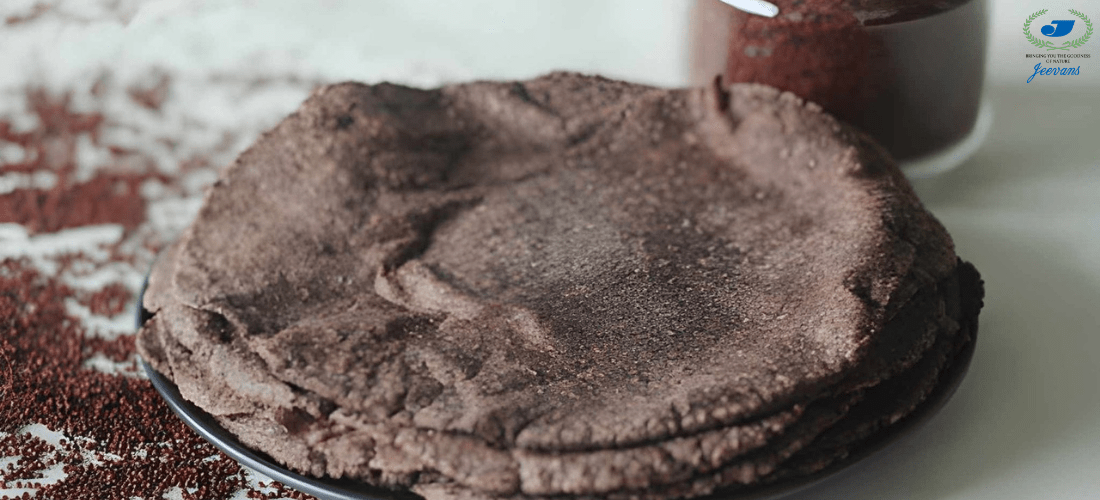
- Mix millet flour with wheat flour for rotis
- Use foxtail millet or little millet instead of white rice once or twice a week
- Add cooked millets to pulao or khichdi
This approach makes the transition smoother for the entire family.
3. Use Millet-Based Blends for Convenience
If busy schedules make cooking from scratch difficult, millet blends or powders are a practical solution. Multimillet powders can be used to prepare quick porridges, rotis, or energy drinks.
Sprouted millet powders are particularly useful when you want better nutrient absorption and easier digestion, especially for children or seniors.
Convenience ensures consistency — and consistency is key to clean eating.
4. Add Millets to Snacks
Clean eating does not mean eliminating snacks. It means upgrading them.
- Prepare millet chilla or pancakes
- Bake millet-based crackers
- Use millet flour in homemade laddoos
- Add popped millets to salads for crunch
These small changes reduce reliance on processed snacks and increase fiber intake.
5. Balance Millets with Proteins and Vegetables
Millets are nutrient-dense, but clean eating is about balance. Pair millets with:
- Lentils or legumes
- Curd or paneer
- Seasonal vegetables
- Nuts and seeds
A balanced plate ensures better nutrient absorption and sustained energy throughout the day.
6. Focus on Portion and Variety
While millets are healthy, moderation remains important. Rotate between different varieties such as ragi, jowar, bajra, and foxtail millet to diversify nutrient intake. Variety prevents monotony and ensures a broader spectrum of vitamins and minerals.
7. Make It a Family Habit
Clean eating becomes sustainable when it is a shared effort. Introduce millet-based meals slowly, experiment with flavors, and involve family members in meal planning. When the taste is enjoyable and the routine is manageable, healthier choices become effortless.
Clean eating does not require drastic transformation. Sometimes, it simply means returning to traditional grains that have nourished generations. Millets offer a practical, affordable, and sustainable way to upgrade everyday meals without sacrificing flavor or convenience.
By making small, intentional swaps, you can turn everyday cooking into a foundation for long-term wellness — one wholesome meal at a time.