


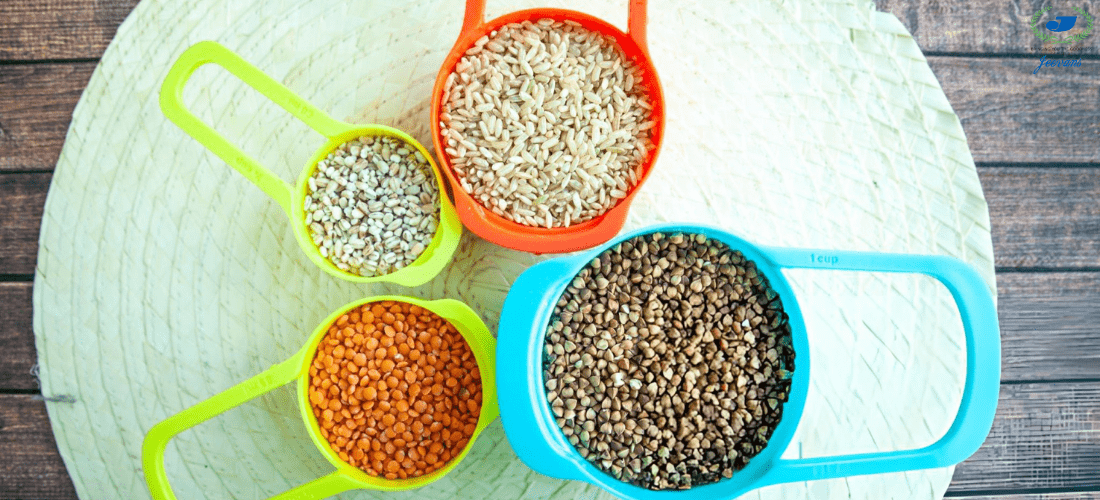

In recent years, millets have gained significant popularity as a nutritious superfood, and for good reason. These ancient grains are packed with essential nutrients that support overall health and wellness. For women, in particular, millets can play an important role in maintaining energy, improving digestion, supporting hormonal balance, and promoting long-term health. Including millets in a daily diet is a simple yet effective step toward better nutrition and a healthier lifestyle.
Millets are highly nutritious grains that include varieties such as ragi, bajra, jowar, foxtail millet, and little millet. Unlike refined grains, millets are minimally processed and rich in fiber, protein, vitamins, and minerals. This makes them a healthier alternative to polished rice and refined wheat products.
One of the major health benefits of millets for women is their ability to support weight management. Many women struggle with weight fluctuations due to hormonal changes, sedentary lifestyles, or unhealthy eating habits. Millets are high in dietary fiber, which helps keep the stomach full for longer periods. This reduces unnecessary snacking and helps control calorie intake naturally. Since millets release energy slowly, they also prevent sudden hunger cravings.
Another important benefit of millets is their role in supporting hormonal health. Women often experience hormonal imbalances during menstruation, pregnancy, and menopause. Millets contain essential nutrients such as magnesium, iron, and B vitamins that help maintain hormonal balance and improve overall well-being. Certain millets, especially ragi, are known for their high calcium content, which is extremely beneficial for women’s bone health.
Bone health is a major concern for women, particularly as they age. Calcium deficiency can lead to weak bones and conditions such as osteoporosis. Ragi, one of the most popular millets, is considered one of the richest plant-based sources of calcium. Including ragi and other millets in the diet can help strengthen bones and support healthy joints.
Millets are also beneficial for improving digestion and gut health. The high fiber content supports regular bowel movements and prevents digestive issues such as constipation and bloating. A healthy digestive system also contributes to better skin health and improved immunity.
Another advantage of millets is their low glycemic index. This means they release sugar slowly into the bloodstream, helping maintain stable blood sugar levels. Women dealing with diabetes, insulin resistance, or PCOS may benefit from including millets in their meals as part of a balanced diet.
Incorporating millets into daily meals is easy and convenient. They can be consumed as porridge, rotis, dosa, khichdi, salads, or healthy snacks. Millet flour can also be used in baking and traditional recipes, making it versatile for modern lifestyles.
In conclusion, millets are a powerful addition to women’s diets due to their rich nutritional value and multiple health benefits. From weight management and hormonal balance to improved bone strength and digestion, millets support women’s health at every stage of life. Making millets a regular part of your diet can contribute to long-term wellness and healthier living.