

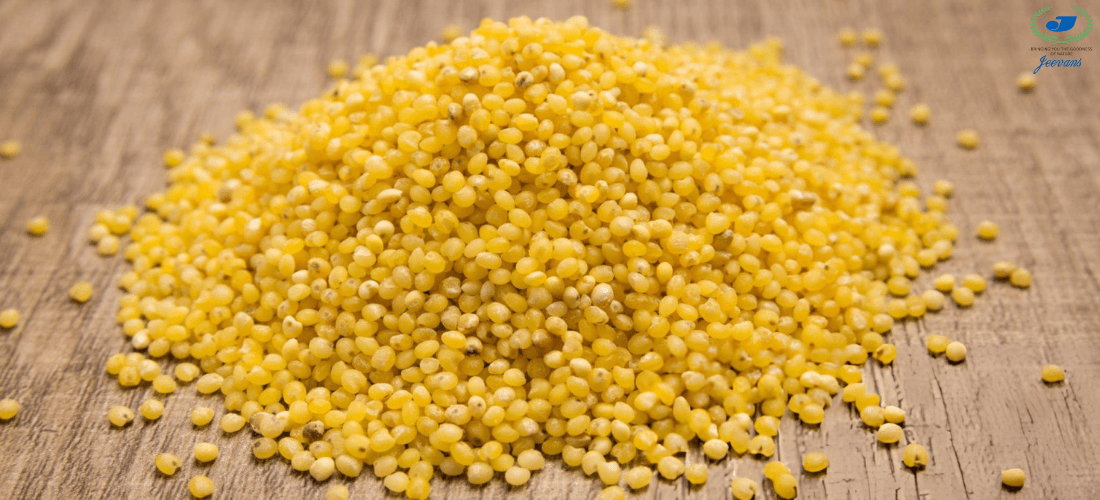

Little millet, scientifically known as Panicum sumatrense, is one of India’s most underrated ancient grains. Often overshadowed by quinoa and oats, this nutrient-rich millet has been a staple in traditional Indian diets for centuries.
With rising health awareness, little millet is now making a strong comeback—especially among those looking for clean, gluten-free, and sustainable food options.
What is Little Millet?
Little millet is a small-seeded grain belonging to the millet family. It grows widely in India, especially in rain-fed regions, and requires minimal water, making it environmentally sustainable.
Unlike refined grains, little millet is unpolished and retains its bran layer, which is packed with fiber and essential nutrients.
Nutritional Profile of Little Millet
Little millet is a powerhouse of nutrition. It contains:
- High dietary fiber
- Complex carbohydrates
- Iron and calcium
- B vitamins
- Antioxidants
Its low glycemic index makes it an excellent choice for people managing blood sugar levels.
Health Benefits of Little Millet
1. Supports Weight Management
Little millet is rich in fiber, which promotes satiety and reduces overeating. It keeps you full for longer, making it ideal for weight loss diets.
2. Regulates Blood Sugar Levels
Due to its low glycemic index, it releases glucose slowly into the bloodstream, helping prevent sugar spikes.
3. Improves Digestive Health
The high fiber content aids digestion, prevents constipation, and supports gut health.
4. Boosts Heart Health
It helps reduce bad cholesterol levels and supports cardiovascular function.
5. Naturally Gluten-Free
Little millet is a great alternative for people with gluten intolerance or celiac disease.
How to Use Little Millet in Daily Diet
Little millet is versatile and can easily replace rice in most dishes. Some popular options include:
- Little millet khichdi
- Millet pulao
- Upma
- Dosa and idli batter
It cooks quickly and absorbs flavors well, making it perfect for Indian meals.
Why You Should Switch to Little Millet
Modern diets heavily rely on refined grains, which lack fiber and nutrients. Incorporating little millet can significantly improve your nutritional intake while also supporting sustainable agriculture.
Final Thoughts
Little millet is not just a traditional grain—it’s a modern superfood. Its health benefits, ease of cooking, and environmental advantages make it a smart addition to your diet.