


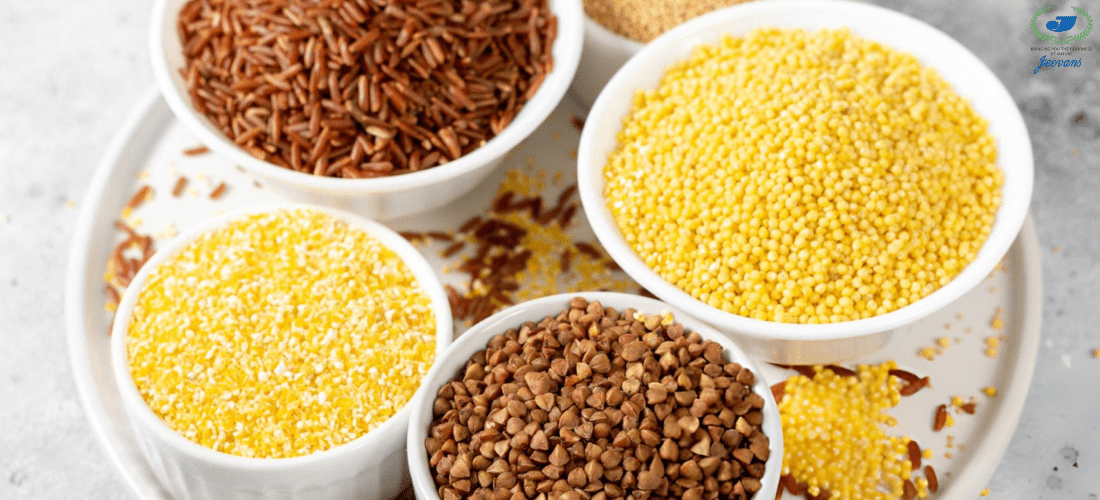

In today’s convenience-driven world, refined grains like white rice, maida, and processed wheat products have become a staple in most households. While they are easy to cook and widely available, their nutritional value is often compromised during processing. On the other hand, millets—once considered traditional grains—are now being recognized as a superior, health-forward alternative.
So, when you serve a meal to your family, what are you really offering—empty calories or wholesome nourishment?
Understanding Refined Grains
Refined grains are processed to remove the bran and germ, leaving behind only the starchy endosperm. This process improves shelf life and texture but strips away essential nutrients such as fiber, vitamins, and minerals.
Common examples include:
- White rice
- Maida (refined flour)
- White bread and packaged baked goods
While some refined grains are “enriched” to add back certain nutrients, they still lack the complete nutritional profile of whole grains.
What Makes Millets Different?
Millets are whole grains that retain their bran, germ, and endosperm, preserving their natural nutrient content. Popular varieties include ragi, jowar, bajra, foxtail millet, and little millet.
These grains are rich in:
- Dietary fiber
- Plant-based protein
- Essential minerals like iron, calcium, and magnesium
- Antioxidants
Unlike refined grains, millets offer slow-releasing energy, making them ideal for sustained health and daily nutrition.
Nutritional Comparison: Millets vs Refined Grains
The difference between millets and refined grains goes beyond just labels—it directly impacts your health.
- Fiber Content: Millets are high in fiber, supporting digestion and gut health, while refined grains are low in fiber and can contribute to digestive issues.
- Glycemic Index: Millets have a lower glycemic index, helping maintain stable blood sugar levels. Refined grains cause rapid spikes in blood sugar.
- Nutrient Density: Millets are naturally rich in vitamins and minerals, whereas refined grains lose most nutrients during processing.
- Satiety: Meals made with millets keep you fuller for longer, reducing unnecessary snacking.
Impact on Family Health
Regular consumption of refined grains has been linked to lifestyle-related concerns such as obesity, diabetes, and heart disease. Their high glycemic load and low fiber content make them less suitable for long-term health.
Millets, on the other hand, support:
- Better digestion
- Improved metabolic health
- Sustained energy levels
- Stronger immunity
For growing children, millets provide essential nutrients needed for development, while for adults, they help manage weight and prevent chronic conditions.
Easy Ways to Make the Switch
Transitioning from refined grains to millets doesn’t have to be drastic. Start with simple swaps:
- Replace white rice with millet-based rice alternatives
- Use millet flour instead of maida for rotis and pancakes
- Incorporate millet porridge or upma into breakfast
Gradual changes make it easier for the entire family to adapt without compromising on taste.
A Conscious Choice for Modern Families
Choosing between millets and refined grains is not just about food—it’s about long-term health. As awareness grows, more families are realizing the importance of returning to nutrient-rich, minimally processed ingredients.